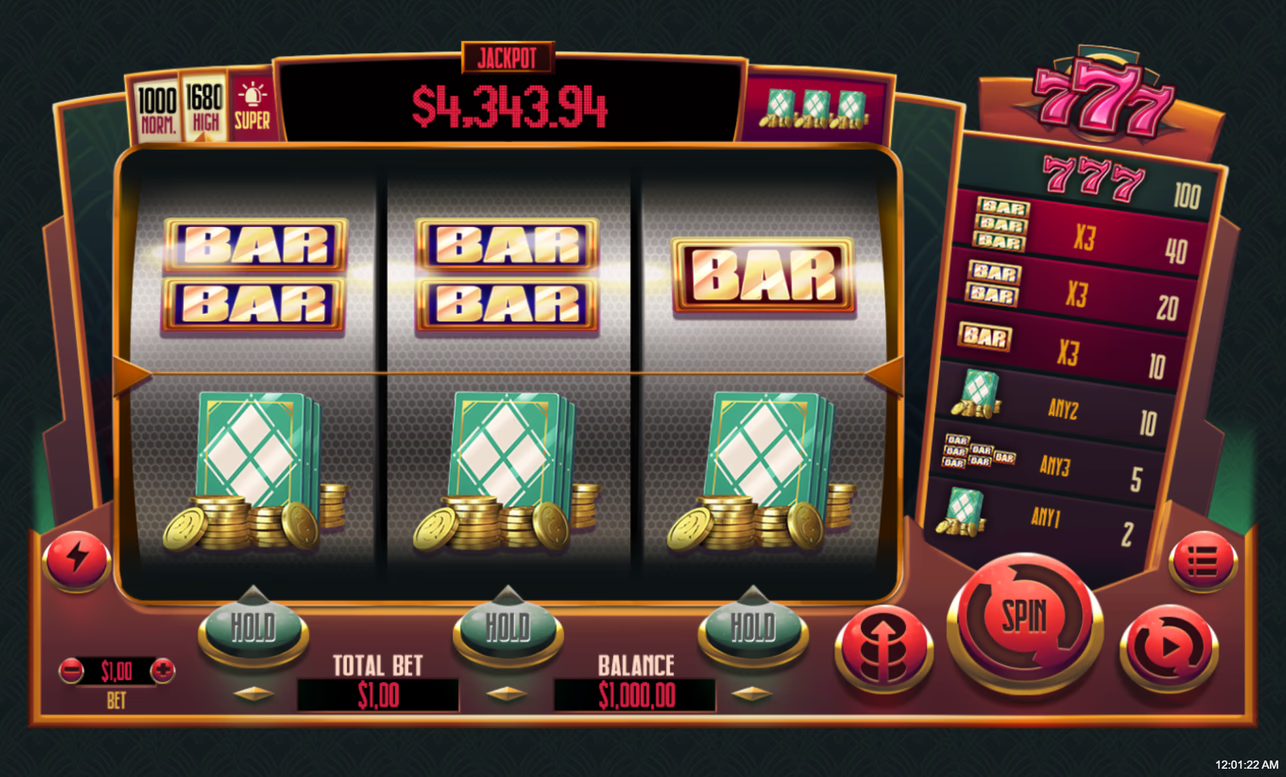
Independent sources converge on an RTP around 97% for RTG's 777, with one detailed spec sheet citing 97.49%. Volatility is described as medium by the majority of sources, though at least one table lists it as high — treat medium as the primary rating and high as a secondary note tied to the progressive jackpot's rare top payout.
- Max win: 1,680x bet on the base paytable (non-progressive)
- Reel layout: 3 reels, 1 fixed payline
- Bet range typically 0.25–2.50 per spin
How RTP and Volatility Play Out in 777
777 runs on a single payline across three reels, which limits the number of ways an RTP figure can be distributed compared to multi-line video slots. With only one line to hit, the 97% RTP is delivered through a mix of frequent small fruit and bar payouts and rare, larger wins from 7s and wild combinations. There is no scatter, no free spins, and no bonus buy — the entire payout structure runs through base-game spins and the optional hold respin.
The volatility label matters more than usual here because the game pairs a modest 1,680x maximum non-progressive win with an uncapped, bet-gated progressive jackpot. Medium volatility, the more commonly cited rating, describes a game where fruit and bar hits arrive often enough to sustain a session, punctuated by occasional 7s or wild-driven wins. A high-volatility read of the same game usually reflects the wider swings introduced once a player engages the hold feature or plays at the higher "super bet" tier required for progressive eligibility.
The hold mechanic changes the practical volatility of a session even though it does not touch the underlying RTP. Locking one or two reels and paying to respin the remainder concentrates variance into fewer, costlier decisions: a player chasing two wilds into a third pays extra for a shot at a large multiplier line, rather than taking a string of ordinary spins. This makes the felt experience swing between calm stretches and short bursts of higher-stakes tension.
Hit frequency for 777 is not published by any source reviewed, which limits how precisely the payout distribution can be described. What is verifiable is that wins require three matching or wild-substituted symbols on the single center line, that no partial-line payouts exist, and that the maximum confirmed non-progressive prize is 1,680x the bet — the progressive on top of that is variable and not documented with a fixed cap.
Bet Size and the Progressive Threshold
777 ties its progressive jackpot to a minimum "super bet" level rather than making it available at every stake. Betting below that threshold removes the progressive from play entirely and leaves only the fixed 1,680x top prize reachable. Because the reel set and payline stay identical regardless of stake, moving between low and high bets does not change RTP or hit frequency — it only changes which top prize is in reach and how much a hold respin costs relative to the base wager.
Key Terms for This Page
RTP
Theoretical return to player over a large number of spins, cited around 97% for 777 across independent sources.
Volatility
How win size and frequency vary; most sources rate 777 as medium, one table lists it as high.
Hold Feature
Optional respin mechanic letting the player lock up to two reels and pay extra to respin the remainder.
Progressive Jackpot
A jackpot that grows with play and is only reachable when betting at or above the game's super-bet threshold.
Payline
777 uses a single fixed line across the center of three reels; no other pay patterns exist.
Hit Frequency
How often a spin produces any win; not published for this title in available sources.
777 vs Similarly Named Slots
Different provider and math model — 5 paylines instead of 1, and no relation to RTG's progressive/hold structure.
Same provider, but a 5-reel, 10-payline design with different RTP and volatility figures from the 3-reel 777.
Unrelated title from a separate studio; shares the 777 name only, with its own RTP and paytable.
RTP and Volatility Questions
Why do some sources call 777 medium volatility and others high?
Most detailed spec sheets rate it medium based on base-game hit patterns, while at least one generic RTG table lists it as high — likely reflecting the rare, large swings tied to the progressive jackpot and hold respins rather than the everyday base-game rhythm.
Does the hold feature change the game's RTP?
No. Holding reels and paying for a respin shifts variance and cost within a session but does not alter the underlying 97% RTP figure documented for the game.
Is the 1,680x maximum win the same as the progressive jackpot?
No. The 1,680x figure is the confirmed maximum non-progressive paytable win; the progressive jackpot sits on top of that, grows independently, and has no published fixed cap.
Do I need to bet a specific amount to access the progressive?
Yes. The progressive is only triggered by three wilds when betting at or above the game's super-bet threshold; betting below that level removes the progressive from play entirely.
Does 777 publish its hit frequency alongside RTP?
No. RTP and volatility figures are documented, but hit frequency is not published in any source reviewed for this title.